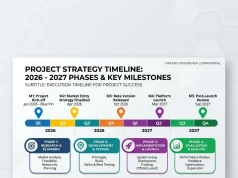
Presentation design trends focus on minimal layouts, bold typography, visual storytelling, interactive elements, and data-driven visuals. They improve clarity, engagement, and audience retention across business, education, and marketing presentations.
In today’s digital landscape, capturing and maintaining audience attention means more than simply displaying text and images. Effective communication now relies on dynamic, thoughtful layout choices that engage viewers from the first slide to the last. The focus keyword, presentation design trends, plays a crucial role as we move away from static bullet points toward more interactive, visually rich experiences. With evolving software capabilities and shifting audience expectations, presenters are challenged to explore novel ways to convey their message.
This year, businesses, educators, and keynote speakers alike are embracing a range of innovations to make presentations more memorable. From subtle micro-interactions to bold typographic statements, each of these advancements contributes to a cohesive narrative that resonates with modern viewers. This article explores five pivotal areas that represent the cutting edge of slide craftsmanship. By understanding and applying these techniques, you can transform every deck into a polished story that informs, persuades, and inspires. Whether you are a seasoned designer or new to slide creation, mastering these presentation design trends can help you elevate your next talk.
By integrating principles of accessibility and sustainability alongside technological enhancements, presenters ensure that content is both inclusive and responsible. In this guide, you will learn how to harness animation, data storytelling, typography, imagery, interactivity, AI assistance, and ethical design—all within five structured sections. Let’s dive in and reshape how you craft compelling narratives on screen.
Enhancing Engagement with Micro-Interactions and Subtle Animations

Why Small Movements Matter
Micro-interactions and subtle animations have become fundamental elements for designing presentations that stand out. Rather than relying on basic transitions or static slides, presenters can now introduce nuanced movements that guide viewers’ eyes and emphasize critical points. These tiny visual cues can help draw attention to key statistics, illustrate change over time, or signal a shift in topic—all while maintaining a cohesive flow.
From a cognitive perspective, small animations support information retention by building a narrative of motion. When bullet points fade in sequentially, the audience processes each idea in turn, reducing overload. Interactive hover effects in PDF handouts or embedded web content can encourage exploration, deepening engagement. Incorporating micro-interactions thoughtfully ensures that viewers are not distracted by excessive movement but are instead invited to follow along with intentional design cues.
Implementing Effective Effects
Many modern tools simplify the integration of these effects. PowerPoint’s Morph feature allows seamless object transformations across slides, while Keynote’s Magic Move fits similar functionality within Mac environments. Web-based platforms like Beautiful.ai offer template-based animations that automatically adjust timing and sequence. Even non-designers can leverage these interfaces to add polish and professionalism to every slide.
To make micro-interactions truly effective, consider these best practices:
- Limit animation duration to one second or less to maintain pace.
- Use motion to support, not overshadow, your message.
- Deploy consistent animation styles to preserve visual harmony.
- Test performance on different devices to avoid lag.
For example, imagine a market analysis slide where bar segments assemble themselves in sequence as you narrate quarterly growth details. Each bar might animate upward with a soft easing effect, underscoring momentum. In training modules, hover-triggered tooltips can reveal definitions or examples without cluttering the main canvas. These interactive features not only elevate professionalism but also offer an immersive way for audiences to interact with complex content.
By combining subtle movement with clear narrative intent, you transform static decks into dynamic experiences. As you experiment with these techniques, you’ll notice that each animation serves a purpose—highlighting data insights, reinforcing transitions, or simply adding a layer of refinement. Embracing micro-interactions forms a critical component of contemporary presentation design trends, setting a foundation for richer storytelling in every slide.
Crafting Compelling Narratives through Data Visualization

Turning Numbers into Meaning
Data visualization is more than charts and graphs—it’s an opportunity to weave a story from raw numbers. By selecting a visual format that aligns with your core message, you can guide viewers through complex datasets in a way that is both intuitive and memorable. For instance, timelines can showcase trends over time, while heat maps highlight areas of intensity. In today’s data-driven world, employing narrative-driven visualization techniques has become essential for impactful presentations.
Research from the National Institutes of Health underscores the role of clear visuals in enhancing comprehension, especially when audiences must interpret dense information quickly. Rather than presenting a grid of figures, think about how each graphic element can serve your overarching story. Are you illustrating growth, making comparisons, or emphasizing an outlier? Defining that purpose will inform your design choices.
Choosing the Right Format
Selecting the appropriate chart type involves both creativity and strategy. Sankey diagrams excel at depicting flows, whereas bubble charts can reveal relationships between different variables. Interactive dashboards, available through platforms like Tableau or Power BI, allow your audience to explore data dimensions at their own pace. When building these visuals, keep color palettes simple and consistent—too many hues can obscure meaning, while a focused set of shades guides attention.
Guidelines for Clarity
To maintain readability:
- Limit data series to three or four lines or bars.
- Label axes clearly and avoid excessive gridlines.
- Use legends sparingly or integrate labels directly onto the graphic.
- Apply high contrast between text and background.
Color choices carry psychological weight—blue conveys trust, while red draws attention to critical alerts. Consulting resources from academic institutions, such as the Harvard Graduate School of Education, can provide insights on color perception and accessibility standards. Ensuring that your palette meets contrast guidelines not only serves aesthetic appeal but also aids viewers with visual impairments.
An effective data narrative follows an arc: introduction, rising action, climax, and resolution. Introduce context with a map or overview chart, build tension by revealing successive data points, and present your key takeaway with a bold visual highlight. This structure echoes traditional storytelling and makes your slides more compelling. By paying attention to flow and emphasis, you can leverage data to persuade, inform, and inspire.
Mastering data visualization transforms raw figures into engaging storylines, reflecting the latest presentation design trends and ensuring your message resonates long after your deck closes.
Striking Simplicity: Bold Typography and Minimalist Design
The Power of White Space
Minimalist layouts remain a cornerstone of modern slide creation, emphasizing essential content by eliminating visual clutter. This year, many presenters are turning to simple backgrounds, crisp lines, and intentional spacing to draw attention to their message. White space—or negative space—functions as a design tool, framing important elements and improving overall readability. By reducing distractions, you can guide the audience’s focus exactly where it matters most.
Selecting and Pairing Fonts
Typography is more than just choosing attractive typefaces; it’s a means of conveying tone and personality. Limit your palette to two font families—typically one serif and one sans-serif—to maintain coherence. Use contrasting weights, such as bold for headings and light for body text, to establish clear differentiation between sections. Variable fonts offer a flexible solution, allowing you to adjust weight and width seamlessly for optimal legibility across devices.
Creating Visual Hierarchy
Establishing a clear hierarchy ensures that viewers can scan slides quickly and grasp the main ideas. Begin with an oversized headline that anchors each slide, followed by subheadings and concise bullet points. Accent colors can highlight calls to action or critical statistics, but they should be used sparingly to maintain balance. Tools like Adobe Fonts and Google Fonts provide extensive libraries of professional typefaces that integrate easily into PowerPoint or web-based platforms.
To further reinforce hierarchy, consider layering text over simple geometric shapes or applying subtle opacity adjustments. This approach can differentiate sections without relying on multiple colors. Consistency in font size, style, and weight across your deck consolidates your design, making it feel unified and polished. When executed correctly, bold typography paired with minimalism elevates the overall impact of your slides.
Embracing these principles represents a key component of contemporary presentation design trends, providing a strong visual framework that supports your content and engages your audience from start to finish.
Creating Immersion with Full-Bleed Imagery and Interactive Pathways
Maximizing Impact with Full-Bleed Visuals
High-resolution, edge-to-edge images can set an immersive backdrop for your narrative. By choosing photographs or textures that reflect your brand or theme, you establish an emotional connection with viewers. Full-bleed headers work particularly well for section breaks, creating visual breathing room before introducing new topics.
Ensuring Text Readability
Overlay techniques such as semi-transparent gradients or text masks help maintain legibility over busy backgrounds. Always test your slides on different screens and lighting conditions. This year, accessibility is a priority; ensuring that contrast ratios meet or exceed WCAG guidelines not only broadens your audience but also upholds ethical standards.
Choosing the Right Imagery
Selecting the perfect image involves more than aesthetics; it requires intentional alignment with your message. For corporate presentations, consider professional stock libraries or original photography to maintain uniqueness and avoid licensing pitfalls. Free resources from government archives, such as the NASA Image Library, provide high-quality photos that are available for public use. Align your picture selection with brand colors and thematic elements to ensure a coherent visual narrative.
Designing Branching Pathways
Interactivity transforms a linear deck into a dynamic conversation. Branching slide paths allow viewers to choose what they explore, making presentations ideal for training sessions, investor pitches, or self-paced modules. By embedding internal links or using platforms like Prezi and Articulate Rise, you can create non-linear journeys that adapt in real time.
- Map your user flow comprehensively before building.
- Label navigation buttons clearly to avoid confusion.
- Include a persistent menu or home button for easy navigation.
- Test each branch to confirm all links work seamlessly.
Managing Technical Constraints
Large background images can increase file size and lead to performance issues. Compress images appropriately and consider linking to web-hosted assets for online presentations. If you are presenting offline, embed optimized JPEGs or PNGs with a balance between resolution and file weight. Testing your deck on multiple devices ensures smooth transitions and quick load times, which are critical when working in varied environments.
When combined, full-bleed imagery and interactive pathways offer a powerful method for engaging audiences in today’s fast-paced environment. These techniques encourage exploration and allow presenters to cater content dynamically, reflecting the latest presentation design trends.
Leveraging AI and Ethical Principles in Sustainable Design

AI-Assisted Creativity
Artificial intelligence tools have become invaluable for streamlining slide creation. Platforms like ChatGPT and Jasper can draft outlines, generate speaker notes, or suggest alternative phrasing. Color palette generators such as Coolors and Khroma analyze your brand hues and propose cohesive schemes in seconds. While these tools expedite workflow, human oversight remains essential to verify accuracy and ensure your message aligns with organizational tone and style.
Embracing Sustainability and Accessibility
Sustainable design within presentations focuses on minimizing unnecessary content and adopting energy-efficient color schemes, such as dark mode. By reducing the number of slides and limiting animations, you decrease processing load and extend battery life on portable devices. Ethical design practices also include accessibility considerations—using high-contrast text, readable font sizes, and alt text for images to support screen readers.
Institutional Guidelines and Best Practices
Many universities and research institutions provide comprehensive accessibility guidelines. For example, Stanford University offers resources on creating inclusive digital content that adheres to WCAG standards. Incorporating these principles not only broadens your audience but also demonstrates a commitment to corporate social responsibility.
Future-Proofing Your Slides
As technology evolves, maintaining flexibility in your design assets is key. Save master templates, store reusable color schemes, and keep a library of AI-generated drafts that can be refined over time. Sustainable design also involves version control and archiving best practices to avoid redundant work. By future-proofing your slides, you ensure that every presentation remains adaptable, accessible, and aligned with organizational branding.
By integrating AI-assisted design with sustainable and ethical practices, you can produce slide decks that are efficient, inclusive, and on the cutting edge of presentation design trends. This holistic approach ensures your message reaches the widest possible audience while reflecting a conscientious design philosophy.
Conclusion
In today’s digital landscape, staying abreast of presentation design trends is essential for anyone seeking to engage and inform diverse audiences. From micro-interactions that guide attention to data visualization techniques that transform numbers into compelling stories, modern slide decks offer endless possibilities for creative expression. Incorporating bold typography, immersive imagery, interactive pathways, AI assistance, and ethical design principles ensures that your presentations are both impactful and responsible.
Embrace a mindset of continuous improvement, and revisit your slide architecture regularly to integrate emerging tools and practices. With presentation design trends evolving rapidly, staying open to innovation will keep your content fresh and engaging. Whether you are delivering a sales pitch, academic lecture, or internal briefing, these guidelines provide a roadmap for creating high-impact decks that leave a lasting impression.
FAQ
What are presentation design trends?
Presentation design trends are modern styles and techniques used to create visually appealing and effective slides that improve communication and audience engagement.
Why are presentation design trends important?
They help make presentations more engaging, easier to understand, and more memorable by using visuals, structure, and storytelling techniques.
What is the most popular presentation design trend today?
Minimalist design with clean layouts, bold typography, and strong visual hierarchy is one of the most popular trends today.
How does minimalism improve presentations?
Minimalism removes clutter, focuses attention on key messages, and makes slides easier for audiences to understand quickly.
What role does storytelling play in presentation design trends?
Storytelling helps connect ideas logically, making presentations more engaging, emotional, and memorable for the audience.
Are interactive elements part of presentation design trends?
Yes, interactive elements like clickable slides, animations, and embedded media enhance engagement and audience participation.
How is data visualization used in modern presentations?
Data visualization uses charts, graphs, and infographics to present complex information in a simple and visually appealing way.
Which tools support modern presentation design trends?
Tools like PowerPoint, Google Slides, Canva, and Prezi support modern design trends with templates, animations, and design features.
How does typography affect presentation design trends?
Bold and readable typography improves clarity, creates visual hierarchy, and helps highlight key points effectively.
Can presentation design trends improve business communication?
Yes, they make business messages clearer, more persuasive, and more professional, leading to better audience understanding and decision-making.